Signed in as:
filler@godaddy.com

You will have the chance to purchase and receive any of these beautiful frescoes. There are varying sizes available for each fresco. A portion of the proceeds from each sale will help support the Restoring Ancient Stabiae Foundation. Made possible in part by: OTIVM International.


From the Villa San Marco at Ancient Stabiae in Castellammare di Stabia.
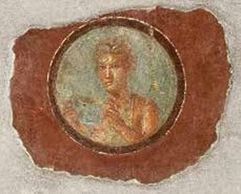
A young man from the Villa Arianna at Ancient Stabiae.
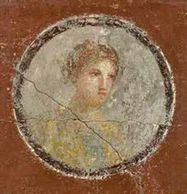
A young woman from the Villa Arianna at Ancient Stabiae.
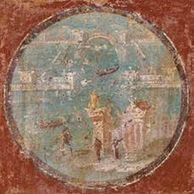
The so called Villa Marittima, a seaside abode for the rich and perhaps famous. This fresco was found in the Villa San Marco at Ancient Stabiae.
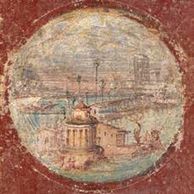
From the Villa San Marco at Ancient Stabiae.
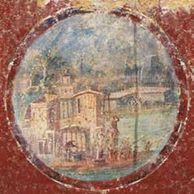
A more grandiose villa from the walls of Villa San Marco
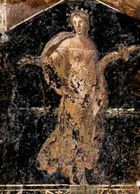
From the Villa San Marco
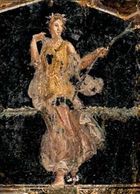
From the Villa San Marco
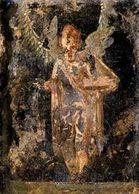
From the Villa San Marco
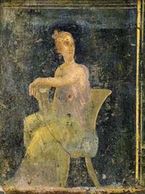
From the Villa San Marco
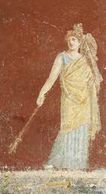
In Greek mythology, Iphigenia (Ἰφιγένεια, Iphigeneia) was a daughter of King Agamemnon. Agamemnon offends the goddess Artemis, who retaliates by commanding him to kill Iphigenia as a sacrifice so his ships can sail to Troy. In some versions, Iphigenia is sacrificed at Aulis, but in others, Artemis rescues her.
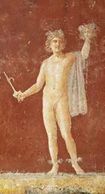
Perseus beheaded the Gorgon Medusa and saved Andromeda from the sea monster Cetus. Perseus was the son of the mortal Danae and the god Zeus. He was also the half-brother and great grandfather of Heracles.
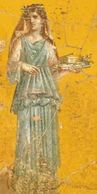
From the Villa San Marco.
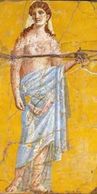
From the Villa San Marco.
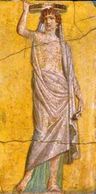
From the Villa San Marco
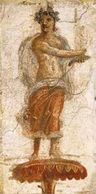
From the Villa San Marco.
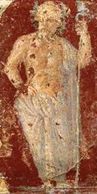
From the Villa San Marco.
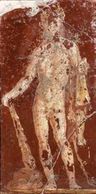
Hercules is the Roman adaptation of the Greek divine hero Heracles, who was the son of Zeus (Roman equivalent Jupiter) and the mortal Alcmene. In classical mythology, Hercules is famous for his strength and for his numerous far-ranging adventures.
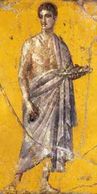
A man carrying fruit in this fresco from the Villa San Marco.
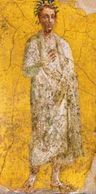
This male figure is clad in all white garments and a crown of plants. From the Villa San Marco.
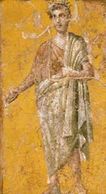
From the Villa San Marco.
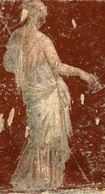
From the Villa San Marco.
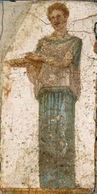
From the Villa San Marco.
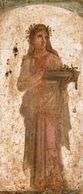
From the Villa San Marco.
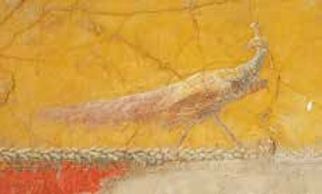
From the Villa San Marco.
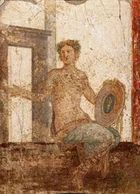
From the Villa San Marco.
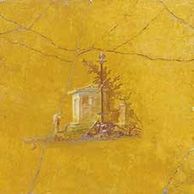
A beautiful scene from the Villa San Marco.
A beautiful villa that appears to be an island connected by a foot bridge to the shore. From the Villa San Marco.
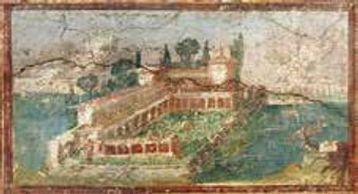
This villa possess a commanding view with an open peristyle garden facing the water. Whether a real or fictional villa, it is a remarkable fresco.
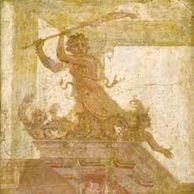
From the Villa San Marco.
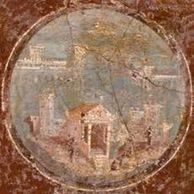
From the Villa San Marco at Ancient Stabiae.
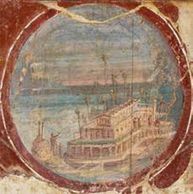
From the Villa San Marco at Ancient Stabiae.
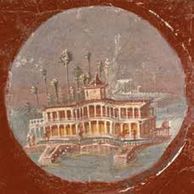
From the Villa San Marco at Ancient Stabiae.
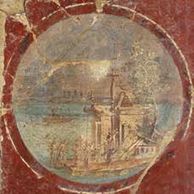
From the Villa San Marco at Ancient Stabiae.
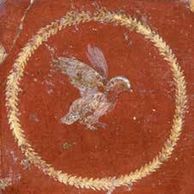
One of many avion subjects from the Villa San Marco.
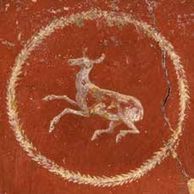
This deer exemplifies the diverse animal subjects from the Villa San Marco.
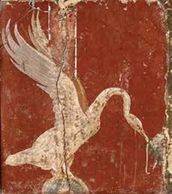
One of two beautiful swans from the Villa San Marco at Ancient Stabiae.
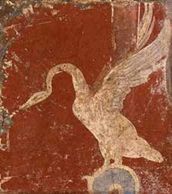
The other swan from Villa San Marco.
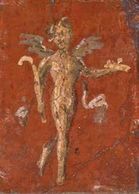
Cupids are the stuff of myth and legend, this version hails from the Villa San Marco at Stabiae.
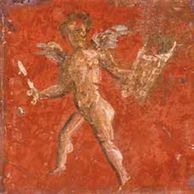
Another one of the fabled creatures from the Villa San Marco.
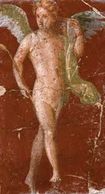
A Cupid from the Villa San Marco.
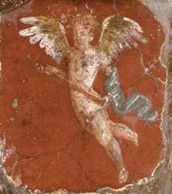
From the Villa San Marco
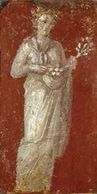
From the Villa San Marco.
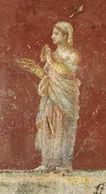
A female figure from the Villa San Marco.
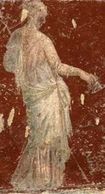
Another beautiful female figure from the Villa San Marco.
Some seaside leisure captured in fresco from the Villa San Marco
From the Villa San Marco
From the Villa San Marco
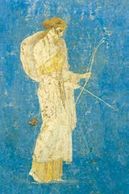
Goddess of the hunt, the moon, and nature. Diana represents one of the most iconic goddesses of Roman antiquity, this beautiful fresco originates from the Villa Arianna at Ancient Stabiae.
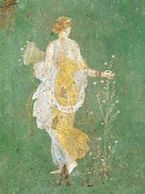
A roman woman collecting flowers in yellow and white dress. An idealistic image of OTIVM, or leisure.
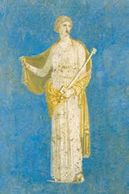
Medea, in Greek mythology, an enchantress who helped Jason, leader of the Argonauts, to obtain the Golden Fleece from her father, King Aeëtes of Colchis. She was of divine descent and had the gift of prophecy. She married Jason and used her magic powers and advice to help him.
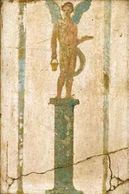
A winged male figure with a large phallus standing on a pillar proclaiming his arousal.
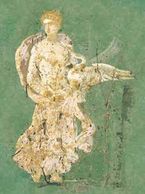
Leda was the daughter of the Aetolian king Thestius, and wife of king Tyndareus(Τυνδάρεως) of Sparta. She was the mother of Helen (Ἑλένη) of Troy.
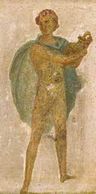
Another beautifully preserved male figure holding a vase, from the Villa Arianna.
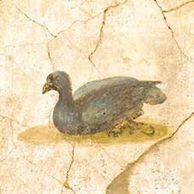
This beautiful bird is just one of many that have been discovered in the Villa Arianna.
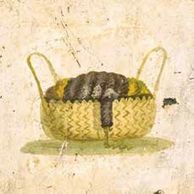
Although simple in appearance, the detail and level of preservation of this covered basket showcases one of the beautiful objects of every day life in antiquity.
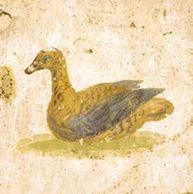
Another winged subject whose colors remain vibrant 2,000 years later.
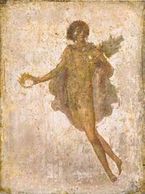
From the Villa Arianna.
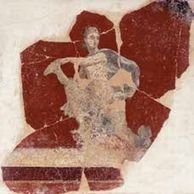
Little is known about this female subject from the Villa Arianna.
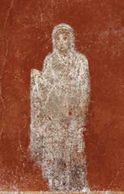
This mysterious figure is of a woman shrouded in white fabric, she is from the Villa Arianna at Stabiae.
The Nereids were sea nymphs in Greek mythology, fifty in total, daughters of Nereus and Doris. They helped sailors on their voyages when they faced fierce storms. They lived with their father in the depths of the Aegean Sea.
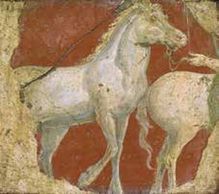
These majestic creatures offer a beautiful representation of the skill required by roman artists.
From the Villa Arianna.
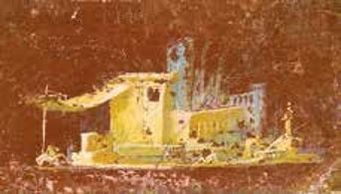
The architectural forms in this landscape are uniquely informative and well illustrated in this fresco discovered in the Villa Arianna.
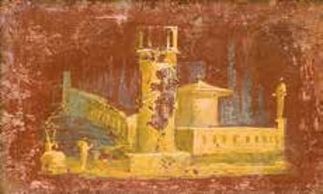
Another beautiful landscape, this time featuring a tower, and some interesting architectural features.
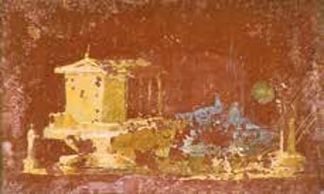
A sanctuary situated in a beautiful landscape alludes to the religiosity that surrounded roman life in antiquity.
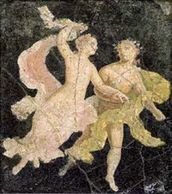
A couple dances or frolics to unknown sentiments, a stark reminder of the passion that filled the lives of the ancients.
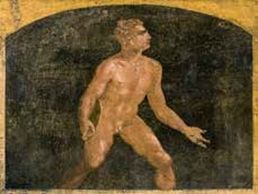
Shown here watching his discus in flight before him. His toned body and concentration represent the ideal athlete.
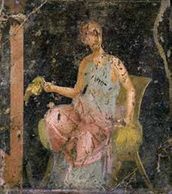
A woman sits seductively on a simple but elegant chair, waiting for her lover perhaps.
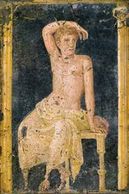
The youth depicted here sits seductively facing the viewer of the fresco. From the Villa Arianna.
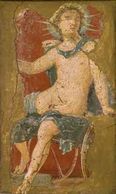
Helios was one of the Titans, son of Hyperion and Theia. He was the personification of the Sun and his sisters were the goddesses Selene (the Moon) and Eos (the Dawn). He drove the chariot of the sun across the sky on a daily basis, as it was pulled by horses named Pyrois, Aeos, Aethon and Phlegon.
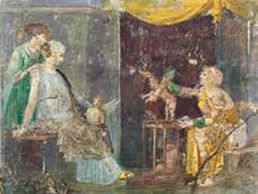
This fresco depicts a lady selling Cupids to a noblewoman. It is meant to show the sale of Love, and remains one of the most unique discoveries of the villas at Stabiae.
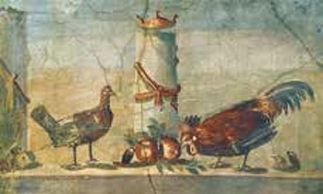
A beautiful seen of a rooster and hen picking at some food on a ledge. From the ancient city of Herculaneum
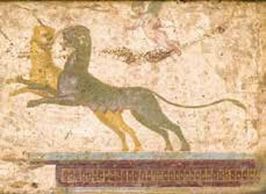
Two beautiful panthers are seen leaping from an unknown architectural feature.
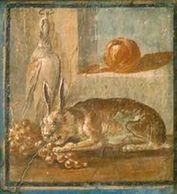
The fruits of a successful hunt, there is a hare and duck along with some vegetables. A snapshot into the diet of antiquity. From the House of the Deer at Herculaneum.
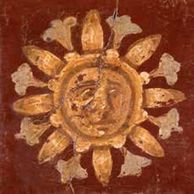
From Herculaneum.
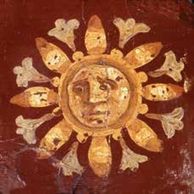
From Herculaneum.
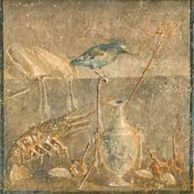
From Herculaneum.
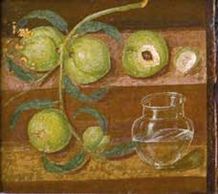
From the House of the Deer at Herculaneum.
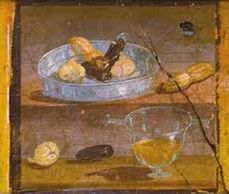
From the House of the Deer at Herculaneum.
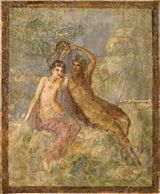
In mythology, Perseus, saves Andromeda from a gruesome death being eaten by a sea monster as she lay chained to a rock.

